


Choosing a global UPS supplier means evaluating power reliability, scalability, maintenance, and total cost of ownership. An uninterruptible power supply protects critical equipment during power disturbances. Therefore, businesses need solutions that match their electrical loads and expansion plans. For distributors, data centers, and industrial operators, a reliable supplier also supports practical installation and long-term maintenance.
How Can a Global UPS Supplier Ensure Reliable Power?
Power interruptions can disrupt servers, communication systems, and industrial operations. Consequently, buyers should examine UPS topology, redundancy, overload capability, and critical component design. Online double-conversion technology continuously conditions incoming power for connected equipment.
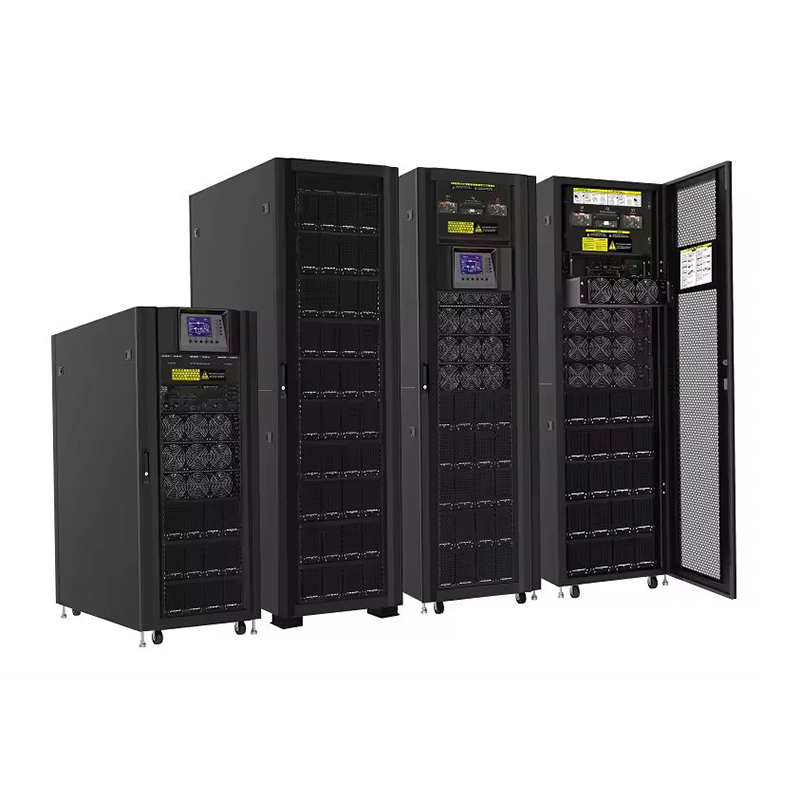
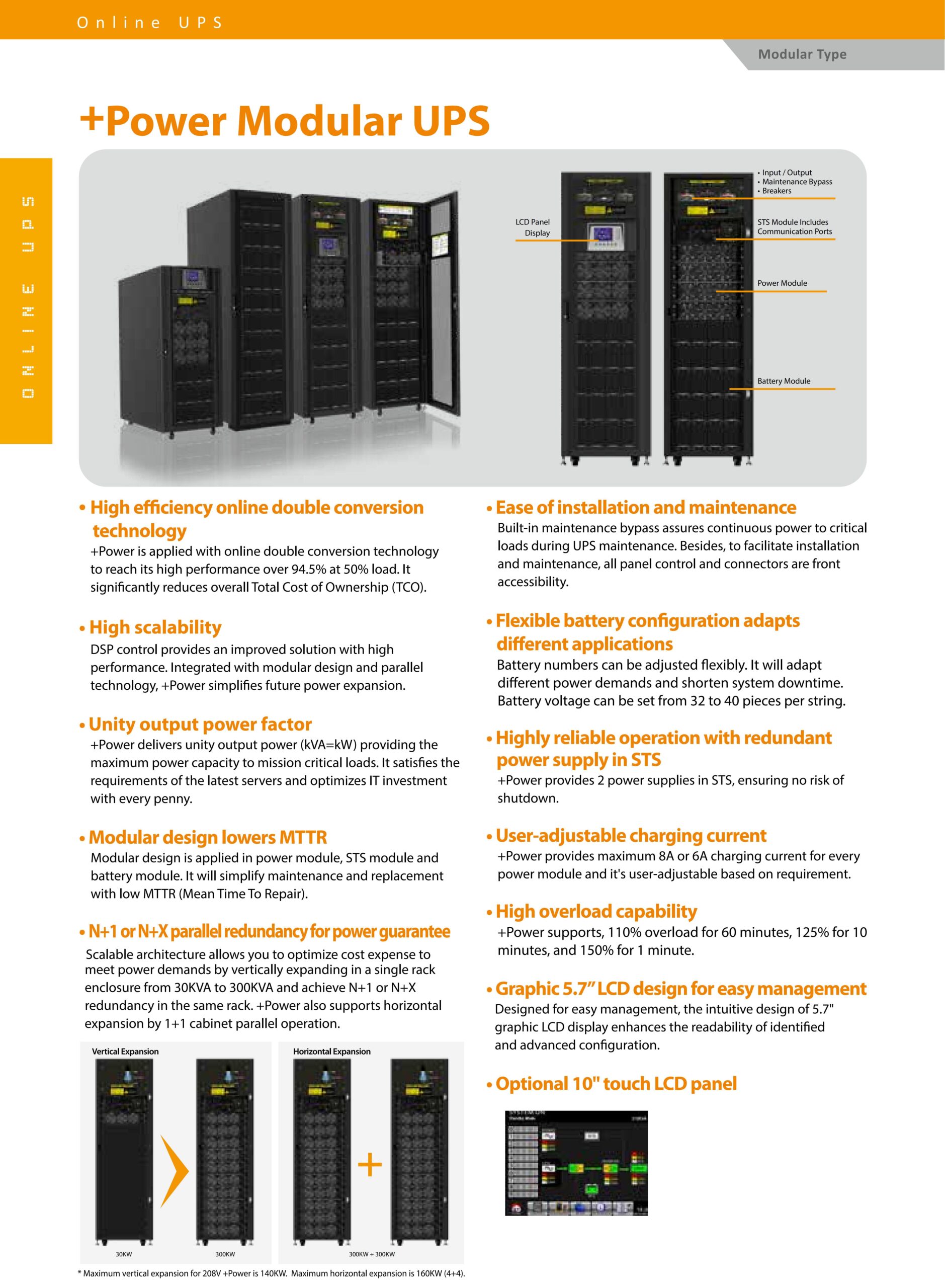
The +Power Modular UPS uses online double-conversion technology. Moreover, its stated efficiency exceeds 94.5 percent at fifty percent load. This design helps balance power protection and operating costs under suitable conditions.
Which Features Support Power Reliability?
Redundant architecture provides another important consideration. The +Power system supports N+1 or N+X parallel redundancy. In addition, its static transfer switch module includes two power supplies. This arrangement helps maintain dependable operation when configured correctly.
The system also supports overload operation at different durations. Specifically, it handles 110 percent load for sixty minutes. It supports 125 percent load for ten minutes. Furthermore, it supports 150 percent load for one minute. These ratings help engineers assess temporary overload requirements.
Why Should Businesses Choose a Modular UPS Supplier?
Business power requirements often change as facilities expand. Therefore, a scalable UPS can help reduce the need for major system replacement. Modular architecture lets operators increase capacity according to future demand.
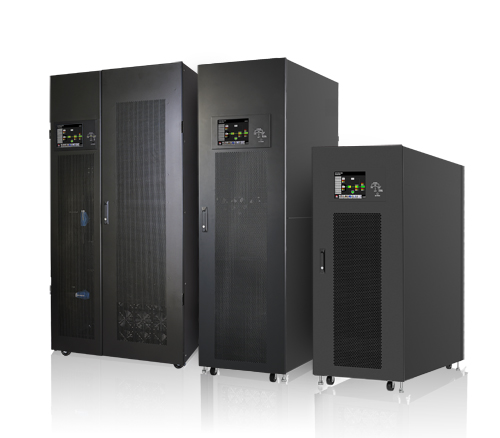
The +Power Modular UPS uses 20-kilowatt or 30-kilowatt power modules. Its modular design supports expansion in 30-kilowatt increments. The specified configuration can scale up to 210 kilowatts. However, buyers should confirm the exact capacity limits for their selected model.
How Does Modular Design Improve Maintenance?
Modular construction simplifies component replacement and routine maintenance. Consequently, technicians can focus on specific modules rather than undertaking extensive system-level work. This approach helps reduce mean time to repair (MTTR).
The system applies modular architecture to power, static transfer switch, and battery modules. Moreover, front-accessible controls and connectors simplify installation tasks. A built-in maintenance bypass helps maintain power to critical loads during planned UPS maintenance, subject to proper procedures.
Explore modular UPS product categories to compare configurations for commercial power requirements.

How Important Are Efficiency and Total Ownership Costs?
Initial purchase price represents only one part of a UPS investment. Energy consumption, maintenance, battery replacement, and future expansion also affect long-term costs. Therefore, businesses should compare total cost of ownership instead of focusing exclusively on upfront pricing.
The +Power Modular UPS uses online double-conversion technology with stated efficiency above 94.5 percent at fifty percent load. In addition, its unity output power factor provides equal kilowatt and kilovolt-ampere ratings. This configuration helps buyers align rated capacity with modern server loads.
| Evaluation factor | +Power Modular UPS specification | Business consideration |
|---|---|---|
| Power modules | 20 or 30 kilowatts | Supports modular capacity planning |
| Conversion efficiency | Above 94.5 percent at fifty percent load | Helps evaluate energy costs |
| Output power factor | Unity | Aligns kilowatts with kilovolt-amperes |
| Battery configuration | 32 to 40 cells per string | Accommodates different backup requirements |
| Charging current | Adjustable, up to 8 or 6 amps per module, depending on configuration | Supports battery management |
| User interface | 5.7-inch graphic LCD; optional 10-inch touchscreen | Supports monitoring and configuration |
| Redundancy | N+1 or N+X parallel operation | Supports continuity planning |
Actual savings depend on load profiles, utility costs, and installation conditions. Consequently, request application-specific calculations before estimating long-term operating expenses.
What Monitoring and Maintenance Features Should Buyers Expect?
Commercial UPS equipment requires clear operating information and accessible maintenance functions. Meanwhile, facility teams need practical interfaces for routine inspections and fault investigation. These capabilities become particularly important across multiple operating sites.
The +Power system includes a 5.7-inch graphic LCD. Additionally, buyers can select an optional 10-inch touchscreen. The interface supports system management and configuration.
Flexible battery settings provide another operational advantage. The system accommodates 32 to 40 battery cells per string. Furthermore, users can adjust charging current according to application requirements. These options help engineers configure backup systems for different operating needs.
Read our technical guide for more information about UPS planning, configuration, and maintenance considerations.
How Can Businesses Evaluate a Global UPS Supplier?
A dependable global UPS supplier should understand application requirements and provide suitable technical information. Buyers should confirm power ratings, redundancy options, battery compatibility, installation requirements, and service arrangements. In addition, they should request documentation for applicable safety and regulatory certifications.
For B2B distributors and engineering contractors, product consistency and configuration flexibility also matter. The +Power Modular UPS combines scalable capacity, modular maintenance, and multiple redundancy options. Therefore, it provides a practical option for projects requiring adaptable three-phase power protection.
Before placing an order, confirm the operating voltage, rated capacity, battery requirements, environmental conditions, and expansion limits. Also, clarify warranty terms, spare-part availability, and technical support coverage. These checks help businesses compare suppliers more accurately and manage project risks.
Q&A: Choosing a Global UPS Supplier
Q1: What makes a global UPS supplier suitable for commercial projects?
A suitable supplier offers clearly documented specifications, suitable product configurations, and responsive technical support. Moreover, buyers should verify warranty coverage, certifications, and regional service arrangements before purchasing.
Q2: How does the +Power Modular UPS support future expansion?
The system uses modular power architecture and supports parallel redundancy. Therefore, businesses can plan capacity expansion around changing loads. However, they should confirm model-specific capacity limits before finalizing their project design.
Q3: Can a modular UPS reduce maintenance costs?
Modular components can simplify replacement and help reduce repair time. In addition, front-accessible connections support convenient maintenance. Actual savings depend on service practices, spare-part availability, and operating conditions.
Q4: How can buyers assess UPS value for money?
Compare conversion efficiency, rated output, redundancy, maintenance access, and battery flexibility. Furthermore, evaluate long-term energy and service costs alongside the purchase price. This approach helps B2B buyers select a UPS solution that meets technical requirements while supporting cost-effective operation.