

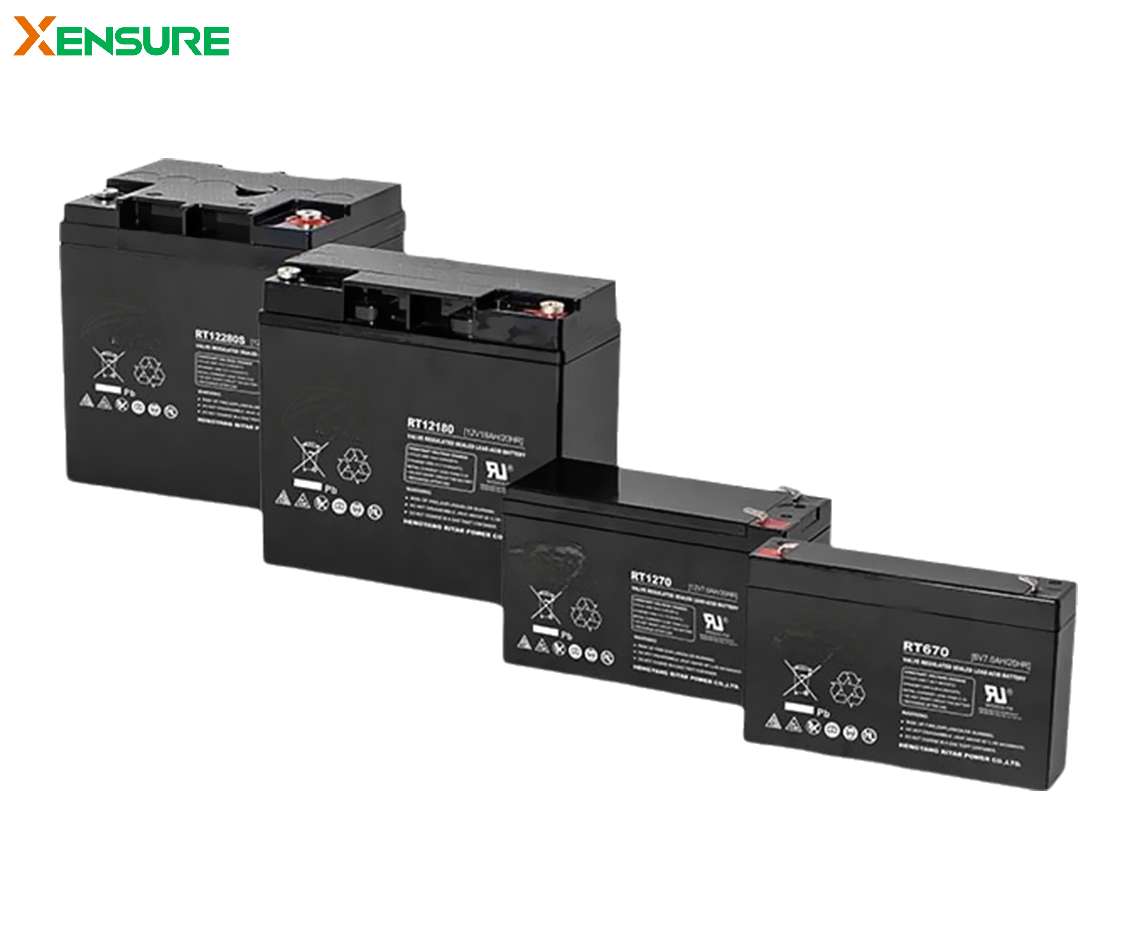
Choosing the right battery for UPS systems starts with voltage, capacity, backup requirements, and service life. For wholesalers, distributors, and equipment integrators, the XST-RT Series VRLA battery offers a practical balance of quality and cost. It supports rated voltages of six, twelve, and twenty-four volts, with capacities up to twenty-eight ampere-hours. Therefore, it suits many compact backup applications, including workstations, security systems, and emergency lighting.
Match Battery Specifications to UPS Requirements
Different UPS systems support different electrical configurations. Consequently, buyers should confirm the required battery voltage before selecting a model. They should also check capacity, discharge conditions, and the available battery compartment.
Check Voltage and Capacity
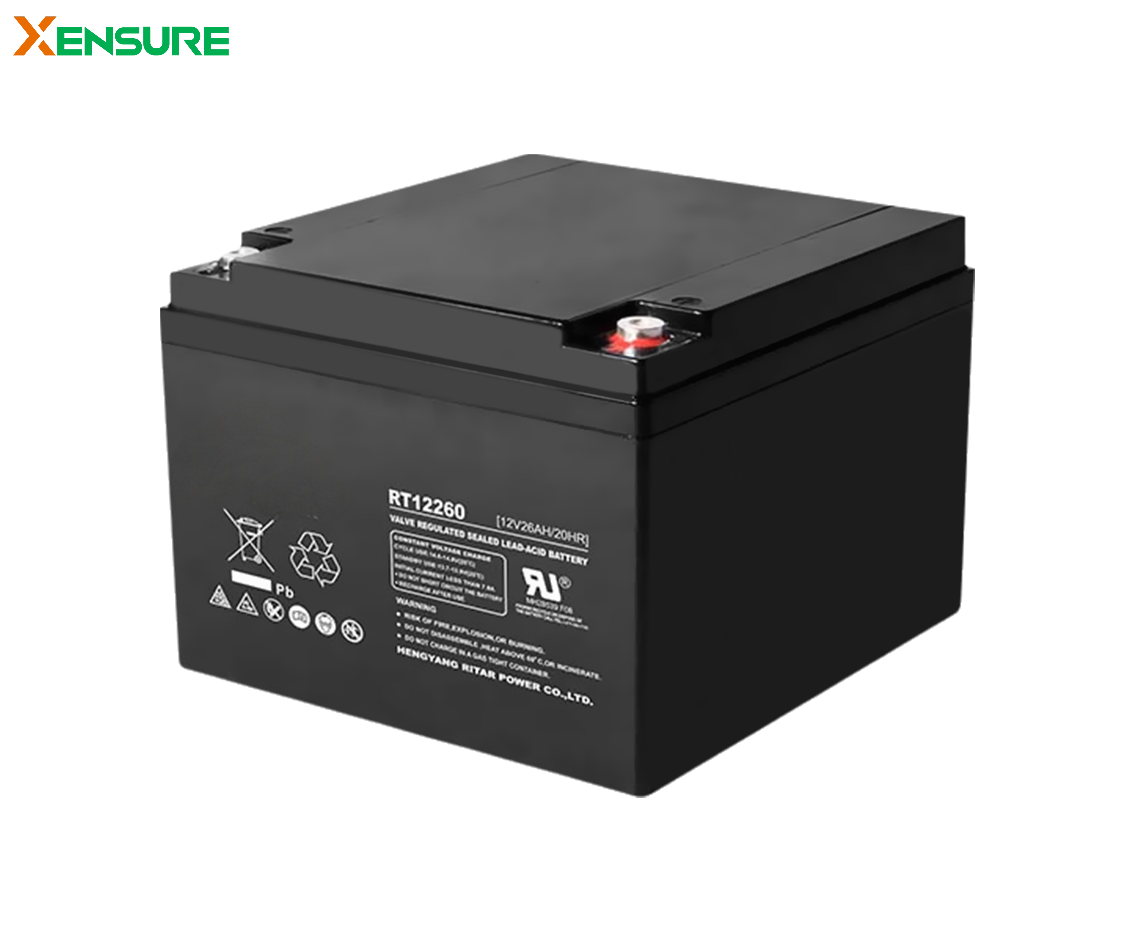
The XST-RT Series covers six-volt, twelve-volt, and twenty-four-volt platforms. Its capacity reaches twenty-eight ampere-hours under the specified C20 rating conditions at twenty-five degrees Celsius.
However, capacity alone does not determine runtime. The connected load, discharge rate, battery condition, and UPS efficiency also influence backup duration. Therefore, calculate requirements using the equipment’s actual power demand.
Explore UPS Battery Products to review available battery configurations for different backup applications.
Evaluate Service Life and Manufacturing Quality
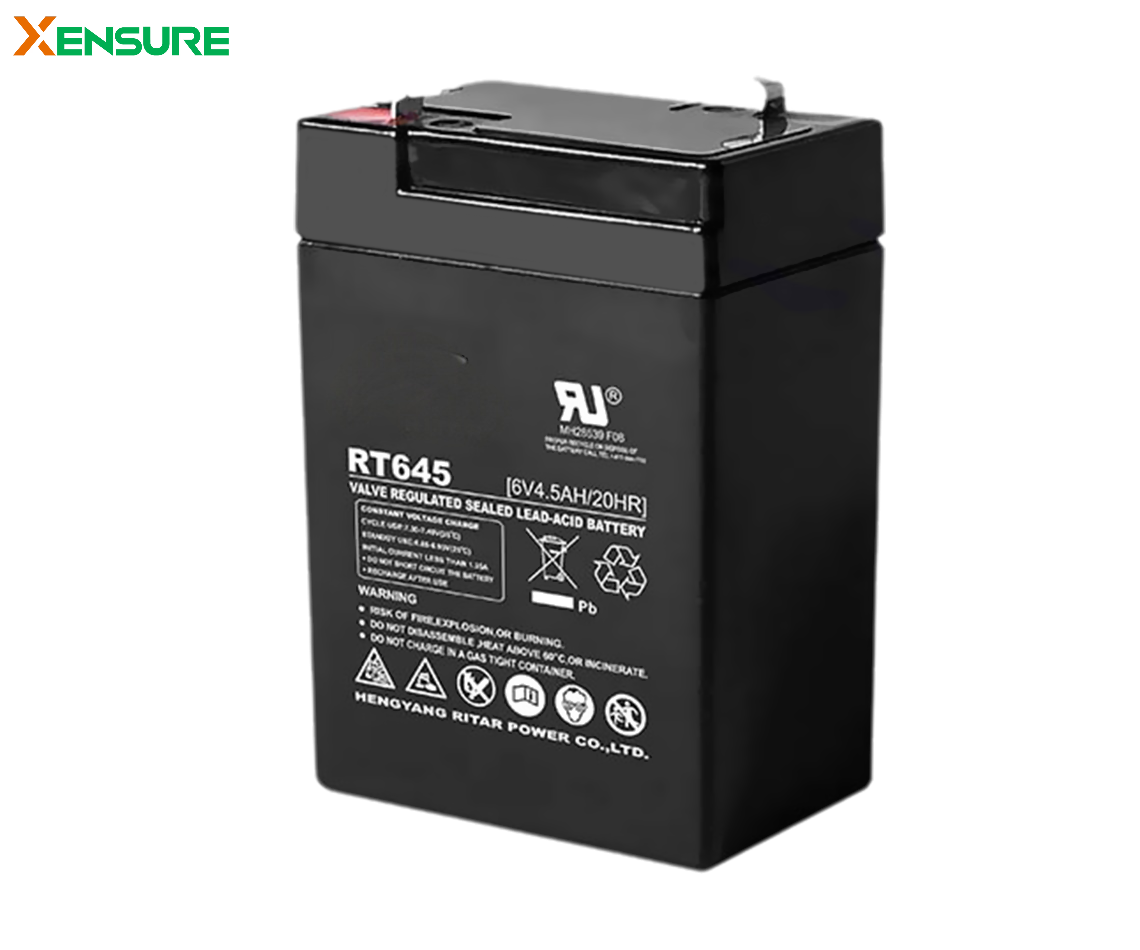
Battery replacement affects maintenance budgets and equipment availability. Therefore, buyers should consider both expected service life and manufacturing consistency. The XST-RT Series specifies a designed floating-charge life of six to eight years.
Review Materials and Production Controls
The series uses lead with a stated purity of 99.994 percent and specialized alloy technology. Its manufacturing process includes controlled curing to support consistent plate quality. Additionally, corrosion-resistant engineering helps support performance during floating-charge operation.
Actual service life depends on temperature, charging conditions, discharge patterns, and maintenance practices. Therefore, confirm warranty coverage and operating recommendations before procurement.
Choose the Right Battery for Each Application
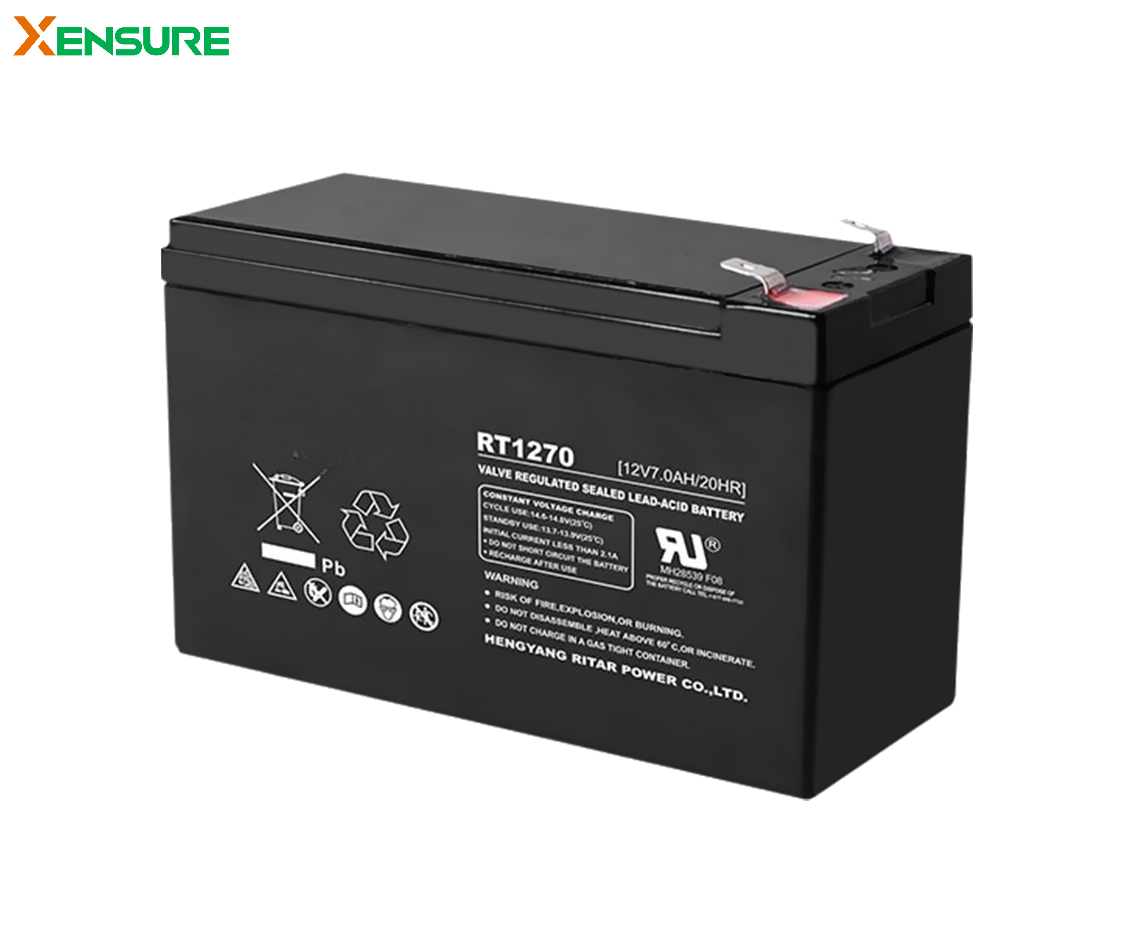
A battery for UPS systems should match the equipment and its operating environment. Compact VRLA batteries can support several general-purpose backup applications.
- Office equipment: Supports backup arrangements for workstations and personal computers.
- Networking hardware: Helps maintain power continuity for compatible networking equipment.
- Security systems: Supports alarms, monitoring sensors, and related devices.
- Emergency lighting: Provides backup energy for compatible lighting circuits.
- Medical monitoring: May suit small monitoring devices when electrical requirements match.
However, critical equipment requires careful runtime calculations and system-level validation. Buyers should follow the equipment manufacturer’s specifications for battery selection.
Compare Compliance and Procurement Requirements
For B2B purchasing, documented specifications help simplify supplier evaluation. The XST-RT Series lists several testing standards and certifications.
| Evaluation item | XST-RT Series specification | Buyer verification |
|---|---|---|
| Battery type | Valve-regulated lead-acid | Confirm compatibility with the UPS |
| Rated voltage | Six, twelve, or twenty-four volts | Match the system configuration |
| Capacity | Up to twenty-eight ampere-hours | Verify rating conditions and runtime |
| Designed floating-charge life | Six to eight years | Confirm warranty and operating conditions |
| Testing standards | IEC, JIS, BS, VDS, and GB/T | Request relevant test documentation |
| Certifications | UL, CE, ISO 9001, ISO 14001, and ISO 45001 listed | Verify certificate scope and validity |
| Lead purity | 99.994 percent stated | Request supporting material specifications |
Read the UPS Battery Technical Guide for help with sizing, charging requirements, and system compatibility.
Improve Wholesale Value Through Better Planning
Competitive procurement involves more than the unit price. Battery consistency, documentation, packaging, and supply continuity also affect total ownership costs. Therefore, distributors should request detailed quotations and confirm production lead times.
Before placing bulk orders, clarify minimum order quantities, warranty terms, transport requirements, and after-sales support. Additionally, confirm whether the supplier can maintain consistent specifications across repeat orders.
A well-matched battery for UPS systems can support dependable backup while helping businesses manage replacement costs. The XST-RT Series offers several voltage options and a defined floating-charge life for compact applications. Contact the supplier for wholesale pricing, technical documentation, and configuration support.
Frequently Asked Questions
How do I choose a battery for UPS systems?
Start with voltage, capacity, runtime, compartment size, and charger compatibility. Then confirm operating conditions and warranty coverage.
How long does the XST-RT Series last?
Its designed floating-charge life is six to eight years. Actual service life depends on operating temperature, charging conditions, and usage.
Is a VRLA battery suitable for networking equipment?
It can suit compatible networking hardware and small UPS systems. However, verify load requirements and the necessary backup duration.
What documents should bulk buyers request?
Request product specifications, relevant certificates, test reports, warranty terms, and transportation documentation. Confirm that each document applies to the exact model.