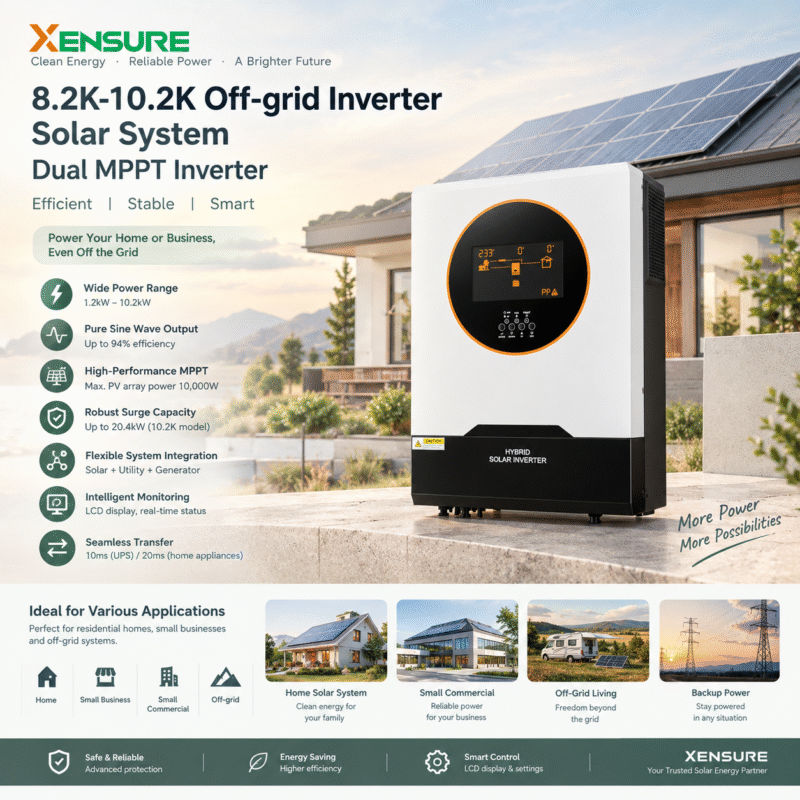


Choosing the right off grid solar inverter requires more than checking rated power. Businesses and homeowners must consider energy consumption, solar availability, backup requirements, and equipment compatibility. A reliable standalone solar power system should also support stable electricity across different operating conditions.
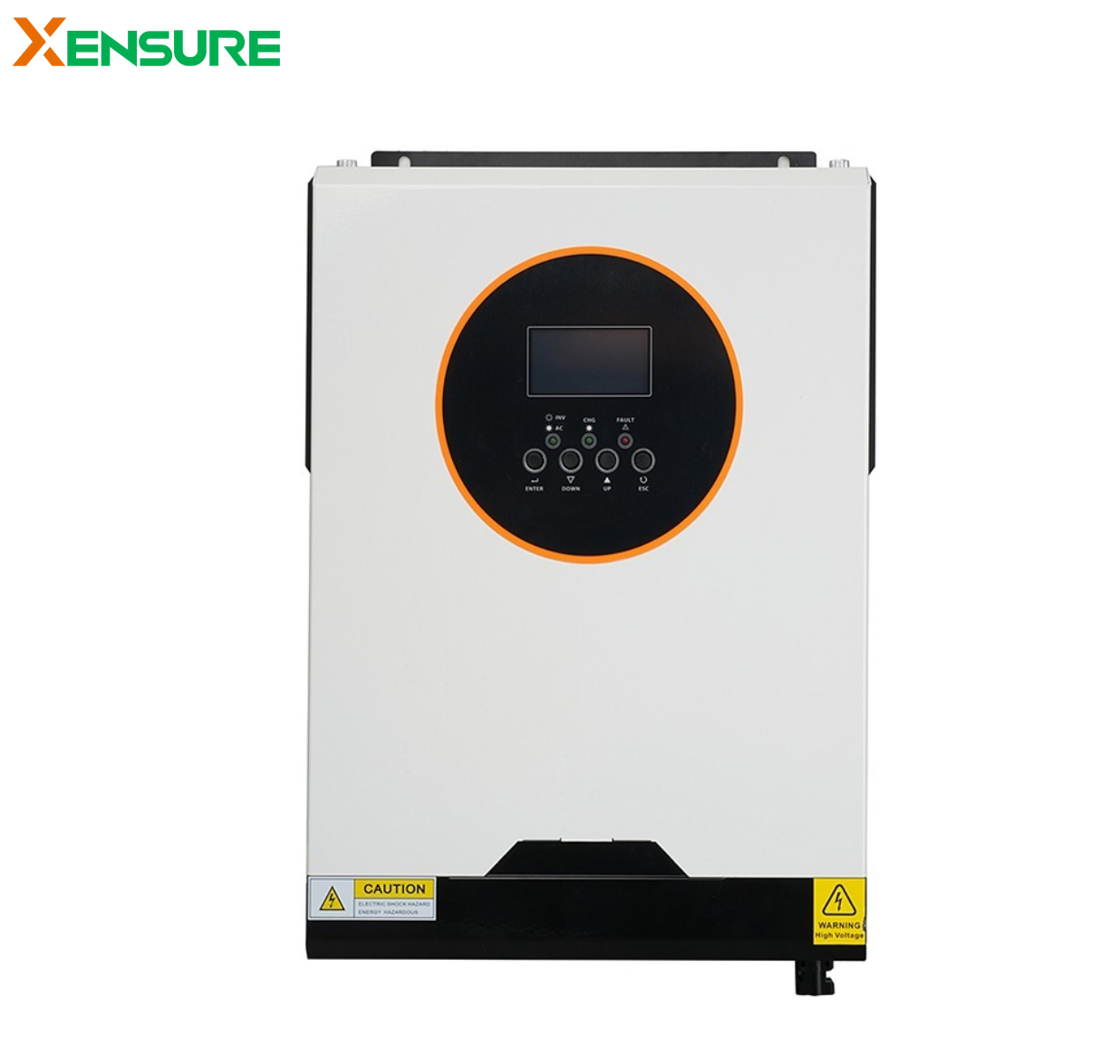
Our 1.2K–6.2K off-grid inverter series combines pure sine wave output, MPPT solar charging, and flexible energy inputs. It provides practical power solutions for residential buildings, remote facilities, and small commercial operations. Moreover, its integrated functions help buyers manage installation costs and system complexity.
What Power Capacity Does Your Off-Grid System Actually Need?
Different facilities have different electricity demands. A residential property may operate lighting and household appliances. Meanwhile, a small workshop may require pumps, tools, and other equipment.
Therefore, buyers should calculate their total operating load before selecting an inverter.
Match Inverter Capacity with Daily Energy Consumption
Our off grid solar inverter series supports multiple power requirements. Available configurations cover a broad range from 1.2 kilowatts to 10.2 kilowatts.
This flexibility helps distributors serve different customer segments. Additionally, installers can select suitable models for specific project requirements.
When calculating capacity, consider three factors:
- Total power consumption of connected equipment.
- Starting current of motors and compressors.
- Expected simultaneous operating loads.
For example, agricultural facilities may operate water pumps during daytime hours. Consequently, buyers should consider motor starting requirements alongside normal running power.
The series also offers surge capacity up to 20.4 kilowatts on the 10.2K model. This supports applications involving equipment with higher starting-current demands.
Can Solar Energy Support Facilities with Changing Power Demands?
Solar generation changes throughout the day. Weather conditions and installation angles also influence available energy.
Therefore, an efficient charging system matters for off-grid applications.
Improve Solar Energy Utilization with MPPT Technology
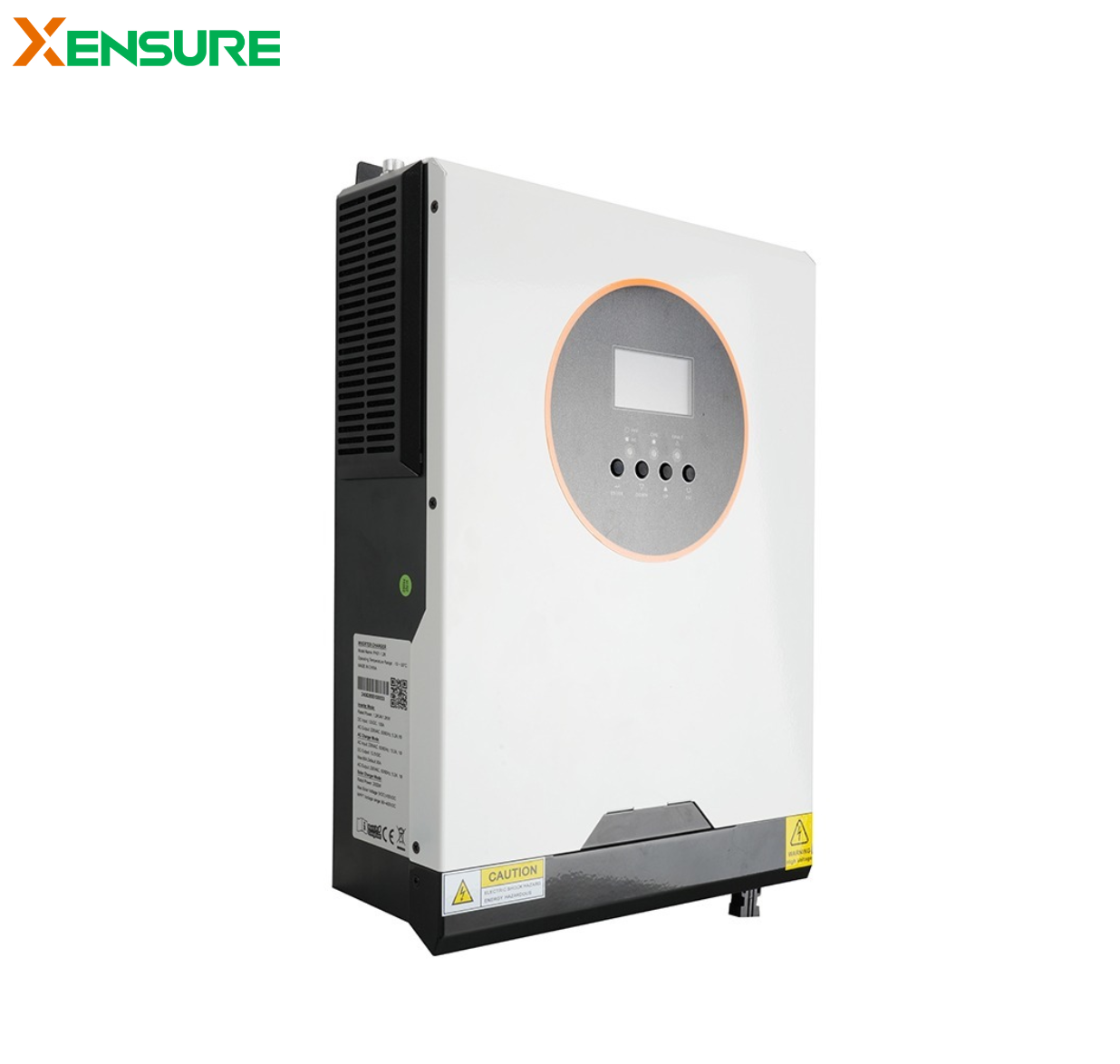
The integrated MPPT solar inverter function tracks the solar array’s maximum power point. It helps optimize energy collection under changing solar conditions.
The system supports maximum PV array power up to 10,000 watts. However, actual compatibility depends on the selected model and its input specifications.
This function suits several applications:
Remote Residential Properties
Homes outside conventional power networks can use solar panels for daily electricity. The inverter manages solar charging and AC power conversion.
Agricultural Facilities
Farms can integrate solar generation with compatible irrigation equipment. This helps reduce dependence on utility electricity.
Small Commercial Buildings
Shops and independent facilities can use solar energy for lighting and essential electrical loads. Meanwhile, the system supports additional power sources when required.
For project buyers, MPPT integration provides a practical way to coordinate solar generation and electricity consumption.
Why Does Output Quality Matter for Sensitive Electrical Equipment?
Different electrical devices have different power requirements. Computers, communication equipment, and household electronics benefit from stable AC output.
Therefore, waveform quality deserves attention during inverter selection.
Maintain Stable Power with Pure Sine Wave Output
Our pure sine wave solar inverter delivers a smooth AC waveform. This output supports a wide range of compatible electrical equipment.
Peak conversion efficiency reaches up to 94 percent. Consequently, the system helps manage conversion losses during suitable operating conditions.
Typical applications include:
- Computers and office equipment.
- Household refrigerators and televisions.
- Communication and networking devices.
- Compatible pumps and electrical motors.
- Lighting and general-purpose appliances.
However, buyers should check equipment starting current and voltage requirements. Sensitive devices may also require additional surge protection.
For distributors, offering suitable waveform technology helps address different customer application requirements.
How Can an Off-Grid Inverter Maintain Power During Supply Changes?
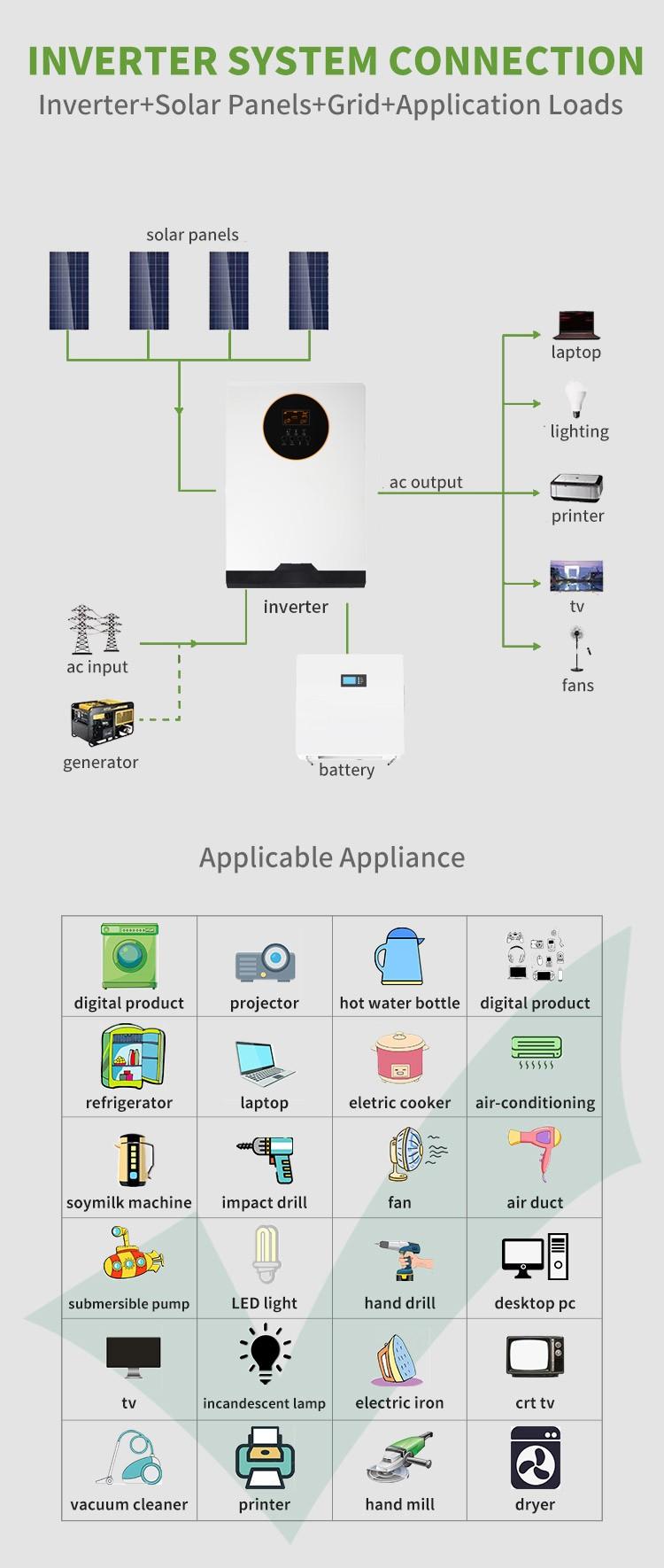
Some facilities combine solar panels, utility electricity, and generators. This arrangement provides additional flexibility when solar generation changes.
For example, remote businesses may use generators during extended periods of limited sunlight. Meanwhile, residential users may connect utility mains as an alternative source.
Integrate Multiple Energy Sources for Flexible Operation
Our hybrid-input off grid inverter supports solar panels, utility mains, and generator inputs.
This configuration allows users to coordinate different electricity sources. As a result, facilities can develop power systems around their available infrastructure.
The inverter also provides rapid transfer functions.
| Application | Transfer Time |
|---|---|
| UPS Applications | 10 milliseconds |
| Home Appliances | 20 milliseconds |
| Solar Charging | MPPT control |
| Utility Input | Supported |
| Generator Input | Supported |
These transfer times help maintain power continuity during source switching. However, actual performance depends on system configuration and operating conditions.
This flexibility makes the product suitable for residential backup systems and small commercial installations.
Which Features Make Daily System Management Easier?
An off-grid power system requires regular monitoring. Operators need to understand charging status, power consumption, and operating conditions.
Therefore, convenient control functions can improve daily management.
Monitor Operating Conditions Through an LCD Interface
The integrated LCD display provides access to operational information. Users can monitor system status and adjust configurable settings.
This feature helps installers complete basic system configuration. Additionally, maintenance personnel can review operating information during routine inspections.
The inverter also combines several functions within one unit:
- Pure sine wave AC output.
- Integrated MPPT solar charging.
- Multiple energy input options.
- Intelligent LCD monitoring.
- Automatic power transfer functions.
For wholesale buyers, this integrated design offers practical purchasing value. It also simplifies product selection for distributors serving different installation markets.
What Should B2B Buyers Check Before Ordering?
Product specifications matter, but project compatibility matters equally. Importers and system integrators should review technical details before confirming bulk orders.
Compare Key Specifications Across Project Requirements
| Technical Item | Product Capability | Main Application Value |
|---|---|---|
| Power Range | 1.2–10.2 kilowatts | Residential and small commercial use |
| Output Waveform | Pure sine wave | Sensitive electronic equipment |
| Peak Efficiency | Up to 94 percent | Energy conversion efficiency |
| Maximum PV Array Power | Up to 10,000 watts | Solar energy integration |
| Maximum Surge Power | 20.4 kilowatts on 10.2K model | Motor starting loads |
| Energy Inputs | Solar, utility, generator | Flexible system integration |
| LCD Display | Intelligent monitoring | Convenient operation |
| Transfer Time | 10–20 milliseconds | Backup power applications |
Before ordering, buyers should confirm the selected model’s rated output, battery voltage, PV input range, and charging specifications.
They should also evaluate certification requirements for their target markets. Proper installation and compatible battery selection remain essential.
Welcome to explore our Product Page to discover more off-grid solar inverter models, product features, and specifications. Find suitable equipment for different residential and commercial power projects.
Choose an Off-Grid Power Solution That Fits Your Market
A suitable off grid solar inverter should match actual electricity demands and installation conditions. Power capacity, MPPT charging, waveform quality, and energy input flexibility all influence system performance.
Our 1.2K–6.2K series combines these functions in an integrated design. It offers practical options for residential projects, agricultural facilities, and small commercial applications.
Furthermore, its flexible power range helps wholesalers and distributors serve different market segments. Its integrated technology also supports cost-conscious system planning.
Welcome to explore our Technical Guide to learn more about solar inverter selection, system configuration, and practical applications. Find useful insights for planning your next off-grid power project.
Contact our team to discuss model selection, technical specifications, and wholesale cooperation. We can help identify suitable inverter configurations for your target applications.