

Winter brings a tough challenge for any energy storage system. Many engineers worry about power loss when the snow starts falling. Específicamente, they ask if a rechargeable lead-acid battery can actually survive the frost. These batteries power everything from emergency back-up systems to off-grid cabins. Como consecuencia, a failure in December could lead to serious operational disasters.
The short answer is yes, but success requires deep technical knowledge. Cold weather changes the internal chemistry of every single battery cell. Además, it increases the internal resistance of the system significantly. Por lo tanto, you must prepare your equipment for the freezing months ahead. In this guide, we explore how to maintain power in the cold. We will examine freezing points, capacity loss, and smart winter charging. Let us keep your systems running through the harshest winter!
The Science of Cold on Lead-Acid Chemistry
To manage your power, you must understand how cold impacts electrons. Physics dictates that chemical reactions slow down as temperatures drop.
Reduced Chemical Activity
Inside a rechargeable lead-acid battery, ions move through a liquid electrolyte. When the temperature hits sub-zero, this liquid becomes much thicker. Por lo tanto, the ions cannot travel between the plates as quickly. This slowdown reduces the available cranking amps for your machinery. Como consecuencia, your battery feels “weak” even if it is fully charged.
The Danger of Electrolyte Freezing
A fully charged battery has a very low freezing point. Sin embargo, a discharged rechargeable lead-acid battery is mostly made of water. Específicamente, the sulfuric acid stays inside the lead plates when empty. Por lo tanto, a flat battery can freeze and crack at 0°C easily. This physical damage usually ruins the battery case permanently. You must keep the state of charge high to stay safe.
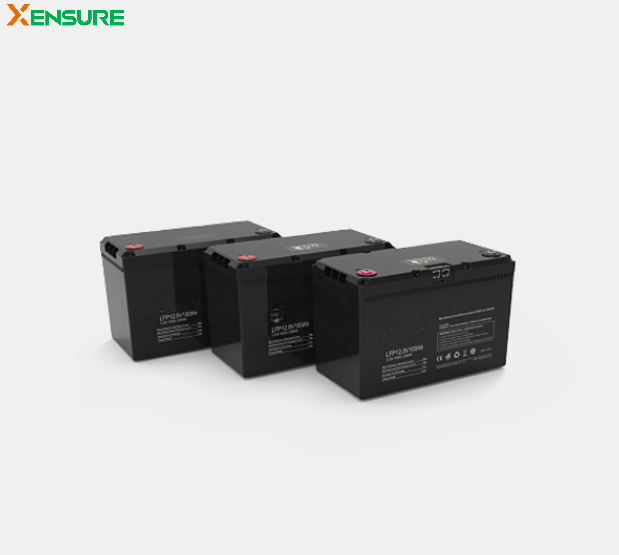
Key Factors for Sub-Zero Reliability
You should look at specific technical ratings before the winter starts. Not all lead-acid models provide the same level of winter toughness.
-
Cold Cranking Amps (CCA): This measures the battery’s ability to start in the cold.
-
Reserve Capacity: Ensure you have enough energy for long, dark winter nights.
-
Battery Chemistry: Choose AGM or Gel models for better vibration and cold resistance.
-
Insulation Levels: Check if your battery box can hold internal heat effectively.
-
Self-Discharge Rate: Cold slows self-discharge, but ice can still form.
Selecting a high-quality rechargeable lead-acid battery ensures a better winter. You avoid the stress of a dead system on a Monday morning. Además, premium models use thicker plates to handle thermal expansion. They stay stable and provide steady current when the air is freezing.
AGM vs. Flooded: Which Wins in the Snow?
The construction of your battery changes its ability to handle ice. Most modern users choose between two main design types.
The Flooded Lead-Acid Weakness
Standard flooded batteries contain a lot of loose liquid electrolyte. Por lo tanto, they are more prone to spilling and freezing if neglected. You must check the water levels frequently during the dry winter. Sin embargo, they are the most affordable option for large solar arrays. They work well if you keep them in a heated room.
The AGM Winter Advantage
Absorbent Glass Mat (AGM) batteries are much more reliable in sub-zero air. The acid is trapped in fiberglass mats rather than flowing freely. Como consecuencia, these rechargeable lead-acid battery models resist freezing much better. They also offer higher CCA ratings for starting heavy engines. They represent the best choice for extreme northern climates.
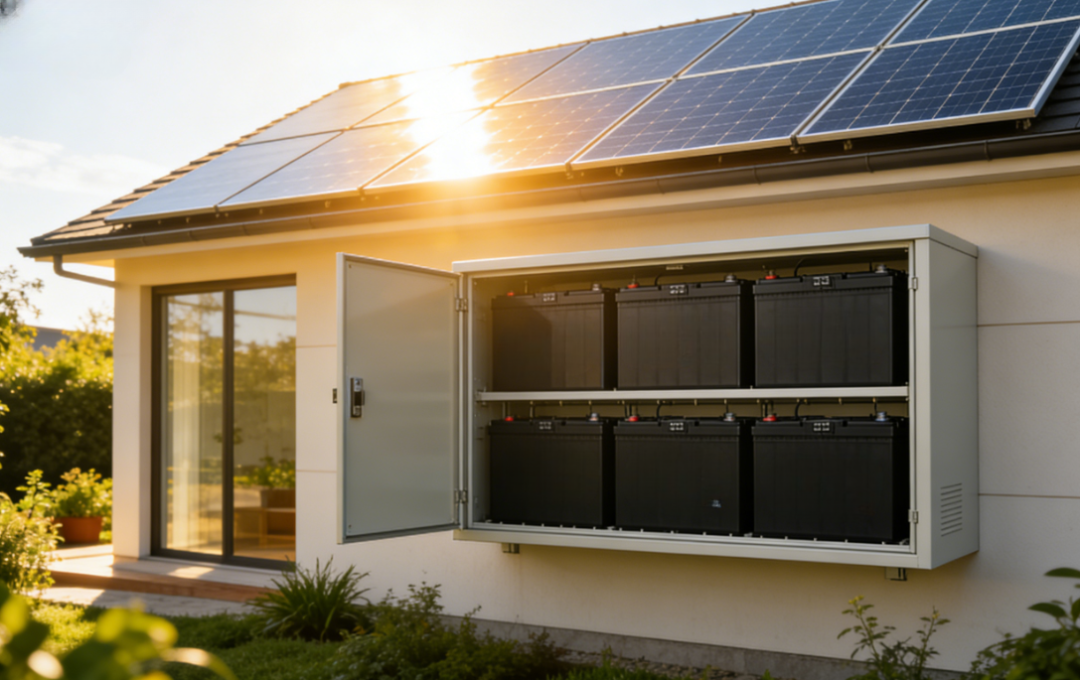
Proven Field Methods for Winter Success
“Experience” in the field shows that minor adjustments prevent major failures. You should implement these strategies before the first hard freeze hits.
Proper Thermal Insulation
A simple insulated wrap can save your rechargeable lead-acid battery life. It traps the heat generated during the charging cycle. Por lo tanto, the internal chemistry stays active and ready for use. Some professional systems even use electric heating blankets for the cells. This ensures the battery stays above the critical freezing temperature.
Smart Voltage Regulation
Cold batteries require a higher charging voltage to reach full capacity. Por lo tanto, your charge controller must feature a temperature sensor. This sensor tells the charger to boost the voltage in the winter. Como consecuencia, your rechargeable lead-acid battery achieves a 100% state of charge. Without this adjustment, your battery will slowly starve of power.
How to Extend Your Battery Life This Winter
Even a tough rechargeable lead-acid battery needs a little help. Follow these rules to maximize your investment in your power system.
-
Keep it Charged: Never let your battery sit below 70% in the cold.
-
Clean the Terminals: Remove any corrosion to ensure a perfect electrical connection.
-
Use a Maintainer: Connect a trickle charger if the system sits idle.
-
Monitor Voltage: Check the levels weekly to catch any early signs of failure.
These steps help your rechargeable lead-acid battery stay healthy for years. Como consecuencia, you save a lot of money on expensive winter replacements. This proactive planning shows a professional approach to equipment management. It ensures your power is ready for the next big snowstorm.
Identifying Signs of Cold-Related Failure
You must stay vigilant to protect your expensive energy storage gear. Watch for these red flags during your routine winter inspections.
-
Swollen Casing: This indicates that the internal electrolyte has frozen.
-
Slow Cranking: The battery is struggling to move ions through the plates.
-
Rapid Voltage Drop: The battery cannot hold a charge under a light load.
-
Diminished Capacity: Your lights turn off much earlier than they did in summer.
Buying a genuine lead-acid battery is a smart move. It reduces the chance of sudden failure during a dangerous cold snap. Además, it protects your connected electronics from low-voltage damage or surges. Better batteries lead to better peace of mind all winter long.
Conquer the Cold with Professional Care
A rechargeable lead-acid battery can perform brilliantly in sub-zero weather. Sin embargo, you must prioritize high charge levels and proper thermal insulation. Focus on AGM technology and smart charging for the best reliability. Además, always check your CCA ratings to ensure your equipment starts.
Don’t let the frost stop your operations or your off-grid dreams today. Focus on high-quality maintenance to ensure your power stays on. By selecting and caring for your battery, you win the winter. Take the first step toward winter readiness and check your battery now!