

As solar energy becomes more popular, homeowners and businesses alike are looking for ways to maximize the efficiency of their solar systems. One key component that plays a crucial role in optimizing energy production is the MPPT solar charger system. MPPT stands for Maximum Power Point Tracking, a technology that ensures your solar panels operate at their highest efficiency. But how exactly does it work, and why is it essential for your solar energy setup?
In this article, we will explore how an MPPT solar charger system can enhance your solar energy efficiency, helping you get the most out of your investment. Whether you’re installing a new system or upgrading an existing one, understanding MPPT technology will help you make better decisions and improve your system’s performance.
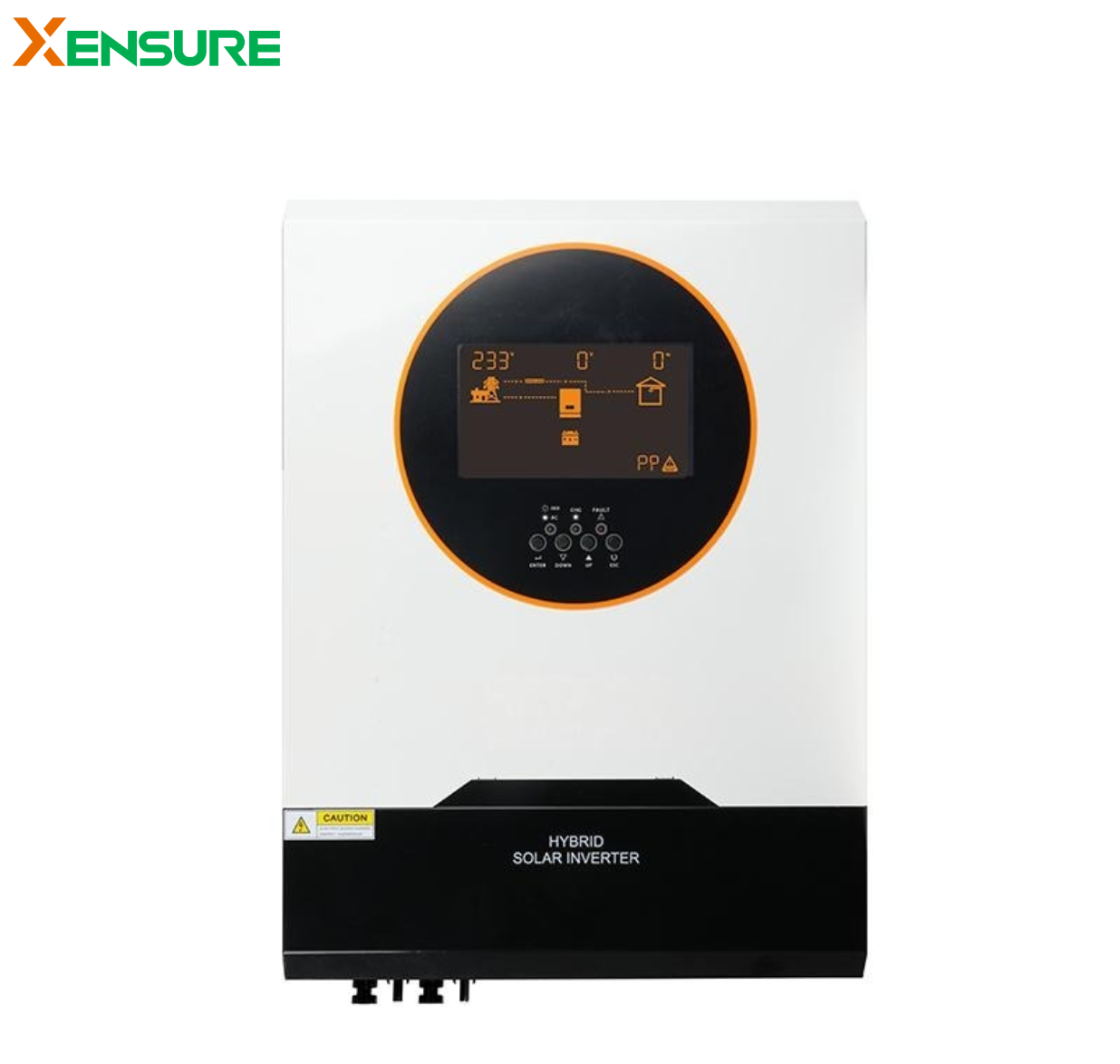
How MPPT Solar Charger Systems Work
Understanding MPPT Technology
At its core, an MPPT solar charger system works by adjusting the electrical operating point of the solar panels to ensure that they are always working at their maximum efficiency. Solar panels have a “maximum power point,” the point at which they produce the most energy. However, this point varies with factors like temperature, time of day, and panel orientation.
MPPT technology constantly monitors these variables and adjusts the power output to keep the solar panels operating at their peak performance. This is especially important when there are fluctuations in light intensity or environmental conditions.
How MPPT Optimizes Solar Energy Efficiency
MPPT solar chargers can increase the efficiency of your system by up to 30% compared to traditional PWM (Pulse Width Modulation) systems. PWM technology simply connects the solar panel to the battery, and it doesn’t adjust for changing conditions, which can lead to inefficiencies. MPPT, on the other hand, ensures that the solar panel’s output voltage matches the battery’s voltage for optimal charging.
Key Features of MPPT Solar Chargers:
-
Real-time power tracking: Constantly adjusts to environmental changes to maximize power.
-
Improved conversion efficiency: Converts excess power from the solar panel into usable energy.
-
Faster charging times: Increases the rate of battery charging compared to other systems.
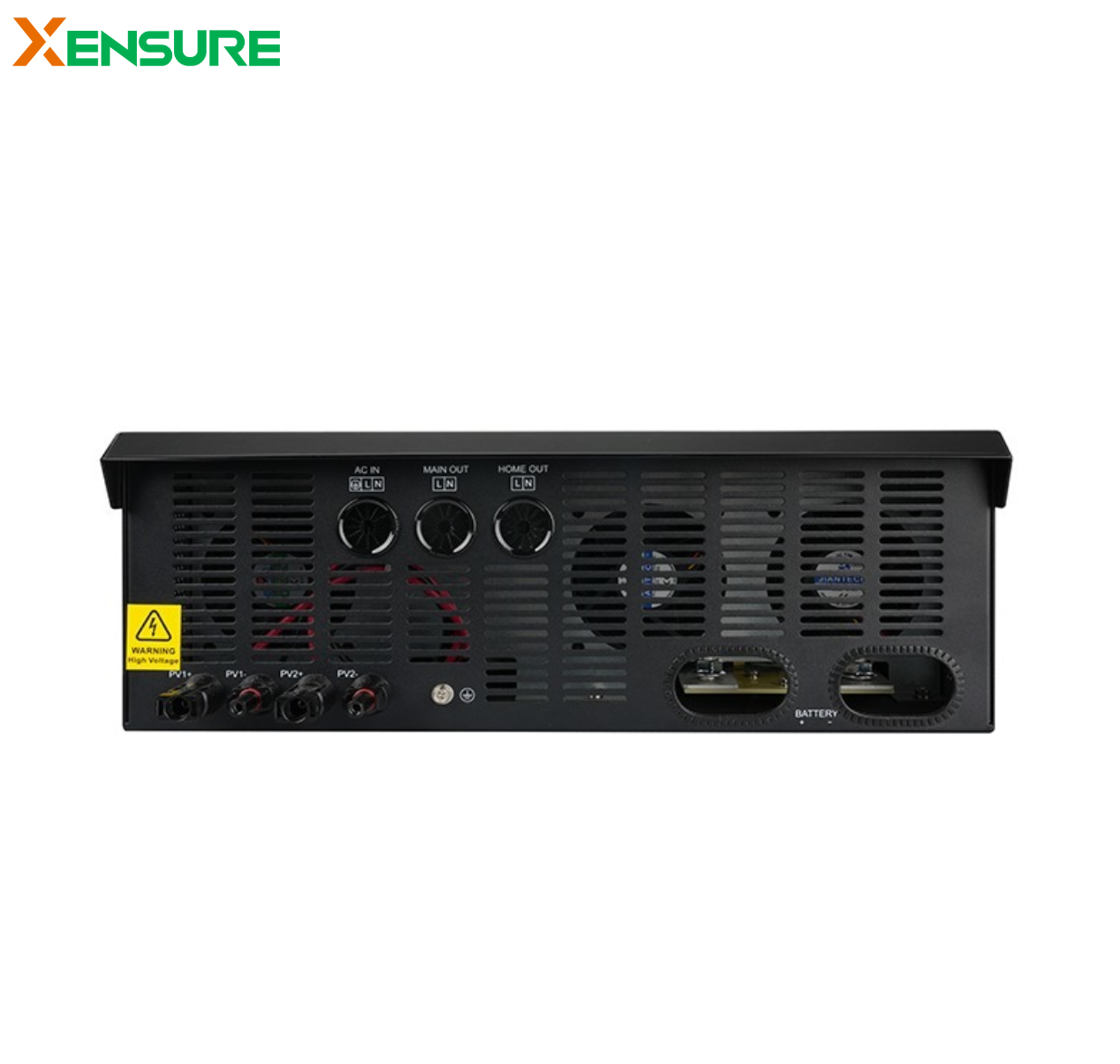
Why Choose an MPPT Solar Charger System?
1. Increased Energy Harvesting
An MPPT solar charger system ensures that your solar panels are always working at their peak power output. This allows you to harvest more energy from the same amount of sunlight, maximizing your return on investment.
Example:Imagine you’re using a 300W solar panel, but due to fluctuating sunlight, it often performs below its peak capacity. An MPPT charger adjusts for these fluctuations, ensuring that you get as much energy as possible, even in less-than-ideal weather conditions. |
2. Cost Savings Over Time
While MPPT solar charger systems may have a higher initial cost compared to simpler PWM systems, they provide significant long-term savings. By increasing the energy harvest, you reduce the number of panels and batteries needed, which ultimately lowers the overall system cost.
MPPT Solar Charger System vs. PWM: A Comparison
In the table below, we compare the benefits of MPPT versus PWM systems:
| Feature | MPPT Solar Charger System | PWM Solar Charger System |
|---|---|---|
| Efficiency | Up to 30% more efficient | Lower efficiency due to lack of adjustments |
| Cost | Higher initial cost but lower long-term expenses | Lower upfront cost, higher long-term cost |
| Power Optimization | Constantly tracks the maximum power point | No adjustment for fluctuating power |
| Best For | Larger systems, residential and commercial use | Smaller, low-cost systems |
3. Flexibility for Different Solar Setups
MPPT solar chargers are versatile and can be used with various solar panel configurations, from small residential systems to larger commercial setups. Whether you’re using a 12V, 24В, or 48V system, an MPPT controller adjusts the panel output to the optimal charging voltage, making it compatible with different types of batteries and setups.
4. Longer Battery Life
Another significant benefit of MPPT technology is that it helps prevent overcharging by maintaining the correct charging voltage. By keeping the batteries within their optimal voltage range, an MPPT solar charger extends the lifespan of your battery, reducing maintenance and replacement costs.
Maximizing Your Solar Energy Efficiency:
1. Match Your System Size
Before purchasing an MPPT solar charger system, make sure that it’s suitable for your solar setup. Consider factors like the total wattage of your solar panels, the voltage of your battery bank, and your energy consumption needs. The right MPPT system should be able to handle the power output of your solar array while ensuring optimal energy storage.
2. Look for High-Quality Components
When selecting an MPPT controller, ensure that it has durable and high-quality components. A good quality MPPT controller can last for many years, while poor-quality controllers may fail prematurely, leading to inefficiency.
3. Monitor and Maintain Your System Regularly
To get the most out of your MPPT solar charger system, ensure that you maintain your solar panels and system regularly. Clean the panels to remove dirt and debris, check the wiring, and make sure the controller is functioning correctly.
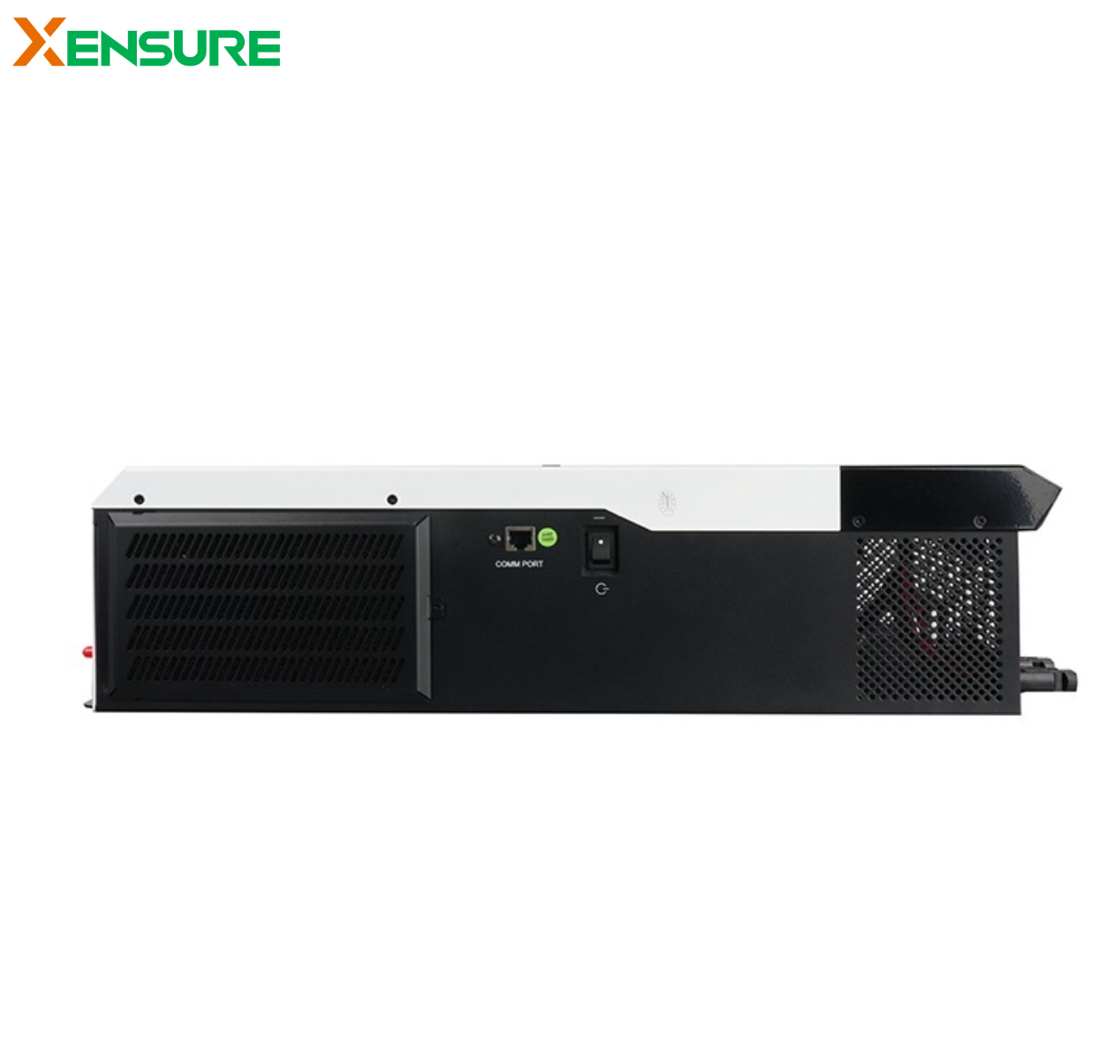
Unlocking the Full Potential of Your Solar System
An MPPT solar charger system is an essential component for anyone serious about maximizing their solar energy efficiency. By continually optimizing the energy flow from your solar panels, MPPT technology helps you get the most out of your investment. Whether you’re a homeowner or a business owner, upgrading to an MPPT system can increase energy production, save money, and extend the life of your solar equipment. With MPPT solar chargers, you’re not just investing in solar technology—you’re investing in a more efficient, cost-effective, and sustainable energy future.