

Imagine uma enorme fábrica industrial repleta de correias transportadoras pesadas e bombas de resfriamento automatizadas. A partida desses enormes motores elétricos a partir de uma parada total cria um enorme estresse elétrico em sua rede elétrica.
Por causa da física básica, enormes bobinas de motores estacionários exigem quantidades incríveis de energia elétrica inicial. Isso de repente, demanda elétrica violenta pode facilmente desarmar disjuntores de segurança e danificar sistemas de controle delicados.
Portanto, engenheiros de automação de fábrica devem gerenciar esses gigantescos picos de energia com extremo cuidado e precisão. Eles frequentemente instalam um inversor trifásico resistente para controlar o fornecimento de tensão de entrada com segurança.
Este guia técnico destaca como a eletrônica de potência moderna mitiga correntes de partida indutivas perigosas durante partidas. Exploraremos os segredos da modulação por largura de pulso, sistemas dinâmicos de limitação de corrente, e práticas inteligentes de automação industrial.
A física violenta por trás dos surtos de irrupção de motores industriais
Você já se perguntou por que as luzes das fábricas piscam quando máquinas industriais pesadas entram em ação repentinamente?? Quando um motor de indução permanece em velocidade zero, possui força contra-eletromotriz interna zero.
Consequentemente, conectar a energia bruta da rede diretamente ao motor cria um curto-circuito elétrico temporário. A corrente elétrica recebida dispara instantaneamente para seis ou oito vezes a métrica normal de funcionamento.
[Direct Grid Startup] ---> Zero Counter-EMF Spikes ---> Giant Current Surge ---> Tripped Breakers
[Inverter Control]    ---> Controlled Frequency ---> Soft Smooth Ramp Up ---> Stable Power Grid
Para combater este enorme pico de corrente, as equipes de engenharia devem abandonar completamente as partidas magnéticas da velha escola. A utilização de um sistema inteligente de controle de estado sólido altera os parâmetros de fornecimento de energia de entrada diretamente na fonte.
Esta abordagem moderna elimina surtos elétricos violentos, salvando seu equipamento da planta contra desgaste mecânico prematuro. Esta estabilidade de energia protege suas máquinas caras, garantindo que suas linhas de montagem automatizadas funcionem perfeitamente o dia todo.

Suavização do fornecimento de energia por meio de configurações sofisticadas do inversor de frequência
Os starters de linha padrão não oferecem controle sobre como a eletricidade flui para o seu maquinário durante a inicialização. No entanto, ajustar as configurações internas do inversor de frequência permite que você personalize toda a curva de inicialização.
Unidades de energia modernas alteram a saída de tensão e a frequência operacional simultaneamente usando microprocessadores inteligentes. Este mecanismo de controle preciso mantém os campos magnéticos internos perfeitamente equilibrados dentro do núcleo giratório do motor.
[Adjustable Acceleration Ramps] ---> Gradual Frequency Step-Up ---> Controls Magnetizing Current
[Voltage-to-Frequency Scaling]  ---> Constant Torque Profiles ---> Eliminates High Current Spikes
Porque a unidade aumenta a potência gradualmente, o motor acelera suavemente sem exigir rajadas gigantes de eletricidade. Os transistores de potência internos modulam o fluxo de energia continuamente, correspondendo perfeitamente aos seus requisitos exatos de carga física.
| Método de partida do motor | Corrente de pico inicial | Risco de choque mecânico | Estresse total de energia da rede |
| Direto on-line (DOL) | 600% para 800% Avaliação | Excepcionalmente alto | Quedas severas de tensão na rede |
| Partida estrela-triângulo | 300% para 400% Avaliação | Pico transitório alto | Estresse Operacional Moderado |
| Inversor de estado sólido | 100% para 150% Avaliação | Absolutamente Zero | Carga mínima suave |
Mitigação Dinâmica via Controle Avançado de Motor com Partida Suave
A verdadeira longevidade do sistema elétrico requer o monitoramento de como os campos magnéticos se desenvolvem dentro dos enrolamentos do motor durante a inicialização. Se você aplicar potência no ângulo matemático errado, seus componentes internos enfrentam estresse térmico extremo.
Implantando otimizado controle de motor de partida suave rotinas permitem que o inversor rastreie as posições do rotor em tempo real. O software de controle interno utiliza algoritmos matemáticos rápidos para ajustar a saída de tensão milhares de vezes por segundo.
Além disso, esse rápido rastreamento automatizado impede que os loops de corrente internos excedam os limites operacionais seguros predefinidos. O inversor restringe ativamente a produção de energia, protegendo seus interruptores internos de silício de se transformarem em sucata derretida.
-
Detecção de Frenagem de Fluxo: Evita que o feedback perigoso da tensão de regeneração destrua os capacitores do barramento interno.
-
Curvas S programáveis: Suaviza os perfis iniciais de aceleração para proteger delicados elos mecânicos da correia transportadora.
-
Disparo de ângulo de fase: Otimiza perfeitamente as linhas de fluxo de corrente inicial em todas as três fases de energia.
-
Sobrecarga de sondas térmicas: Monitore as temperaturas das junções internas para evitar queimaduras inesperadas de hardware nas linhas.
Calibrando seus parâmetros de tempo de aceleração
Alcançar decolagens mecânicas suaves requer combinar o tempo da rampa de aceleração com o peso físico do volante. Saiba mais sobre como ajustar os parâmetros da rampa de aceleração do inversor para eliminar falhas incômodas de sobrecorrente durante partidas de alta inércia.
Atualizando Sistemas com uma Atualização de Eletrônica de Potência Industrial
Muitas operações de fábrica tradicionais hesitam em substituir seus contatos mecânicos legados por unidades digitais complexas. No entanto, os contatores físicos da velha escola se desgastam rapidamente sob o intenso calor do arco de surtos indutivos.
A execução de uma atualização abrangente de eletrônica de potência industrial introduz transistores bipolares de porta isolada robustos em sua rede elétrica. Esses avançados interruptores de estado sólido controlam enormes blocos de energia elétrica sem produzir faíscas físicas.
Insight de automação de campo: Os inversores inteligentes modernos apresentam bobinas de link CC integradas. Essas bobinas de filtragem internas absorvem picos rápidos de corrente antes que o ruído possa corromper as comunicações digitais de sua fábrica.
Adicionalmente, os sistemas de estado sólido reduzem significativamente o pico total de demanda de energia elétrica da sua fábrica. Eliminando os picos de inicialização de alta corrente, você garante melhores tarifas de energia do seu fornecedor de serviços públicos local.

4 Etapas para configurar seu inversor para cargas pesadas com segurança
Gerenciar startups pesadas e de alto torque requer uma abordagem cuidadosa, processo sistemático de comissionamento para garantir segurança absoluta na linha de fábrica.
Superando falhas de saturação de corrente e falhas de sobrecorrente incômodas
Manter os sistemas de alta potência funcionando sem problemas durante as partidas matinais frias representa uma grande dor de cabeça para os eletricistas de usinas. A graxa mecânica fria aumenta a resistência inicial ao giro, forçando a unidade a trabalhar mais para girar os eixos.
Felizmente, o firmware moderno do inversor utiliza loops de controle vetorial avançados para gerenciar esse atrito mecânico inicial. O drive rastreia os ângulos atuais instantaneamente, mudando a potência para a geração de torque enquanto mantém a corrente total baixa. Leia nosso guia abrangente de solução de problemas sobre como corrigir falhas de sobrecorrente do inversor para manter suas linhas de produção em movimento.
[Scalar V/Hz Control Loop] ---> Ignores Real-Time Rotor Load ---> Current Spikes and Faults Out
[Active Vector Control]    ---> Measures True Winding Flux  ---> Delivers Exact Torque Smoothly
Adicionalmente, preste muita atenção à sua escolha de resistores de frenagem internos durante as fases de projeto do sistema. A instalação de blocos de frenagem dinâmica para serviço pesado permite que o inversor lide com desacelerações repentinas sem tropeçar em erros de sobretensão.
O verdadeiro valor corporativo da tecnologia Premium Power Inverter
Atualizar suas instalações industriais com redes avançadas de controle de energia proporciona enormes vantagens financeiras de longo prazo para empresas de produção.
Primeiro, o controle preciso da corrente estende a vida útil operacional geral de seus motores elétricos, reduzindo o calor interno. Quando você elimina choques de inicialização severos, o isolamento do enrolamento interno permanece fresco e confiável por décadas. Essa durabilidade evita que você rebobine contas caras.
Segundo, a operação suave do motor elimina cargas de choque mecânico severas em toda a rede física do trem de força. Caixas de câmbio, correntes de transmissão, e as correias transportadoras de borracha duram muito mais quando você elimina solavancos violentos na partida. Seu hardware de energia deixa de ser uma simples caixa de controle e se torna um ativo vital para a lucratividade da planta.
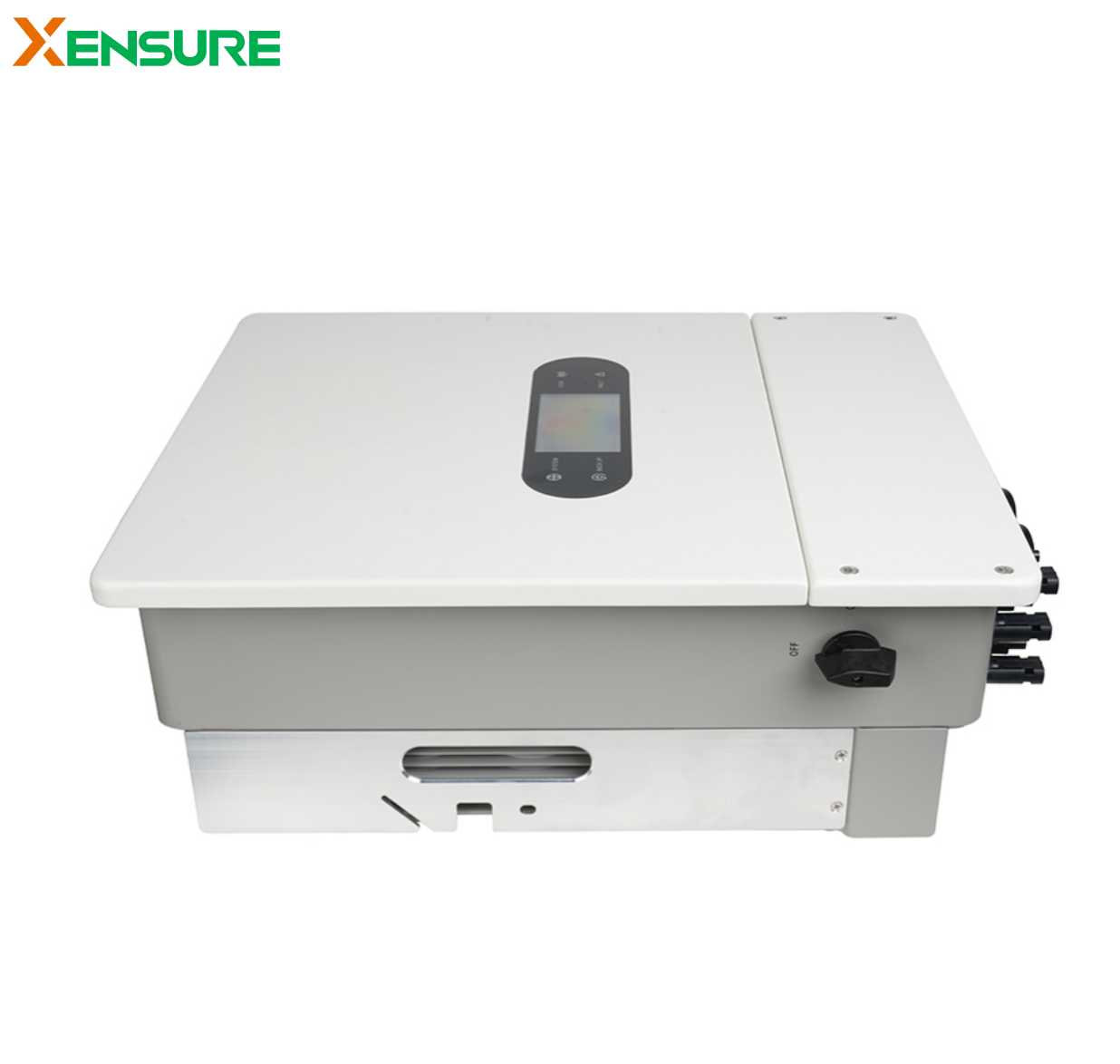
Proteja a rede da sua planta com sistemas de controle modernos
A mudança do hardware de partida do motor de fábrica pode realmente transformar sua eficiência operacional e confiabilidade da rede? Os dados empíricos de engenharia de energia confirmam que o gerenciamento de corrente de estado sólido protege melhor sua infraestrutura.
Ao abandonar as antigas partidas mecânicas em direção a um inversor trifásico avançado, você conquista correntes de surto. A implantação de configurações inteligentes projetadas para eliminar correntes de partida indutivas garante que seu maquinário dê partida com segurança, sem sobrecarregar sua rede. Invista hoje mesmo em atualizações de eletrônica de potência de alta qualidade para proteger seu equipamento e agilizar suas linhas de produção.